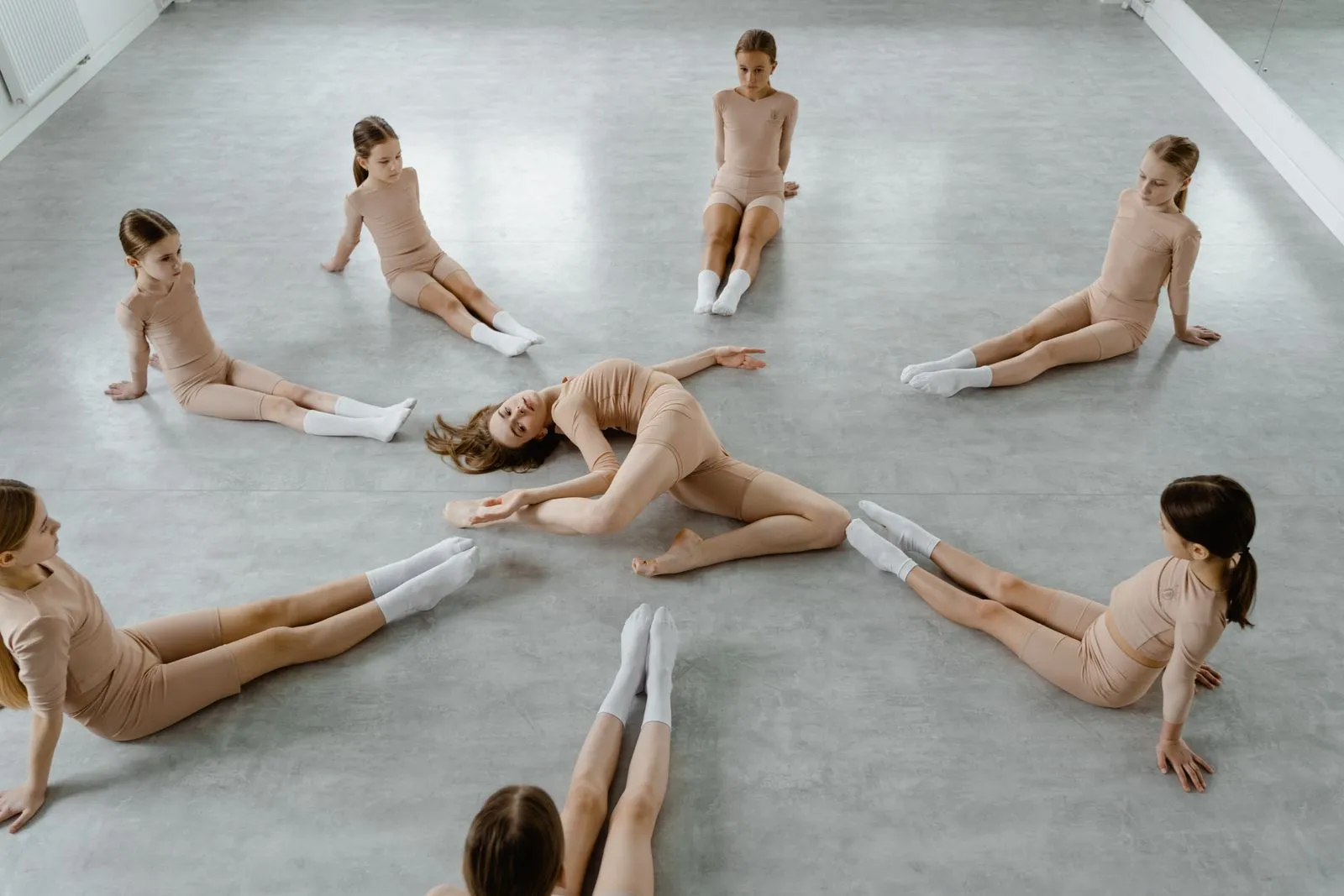
Starting dance can feel unfamiliar, especially when the steps are new and other students seem more experienced. Confidence does not have to come before you begin; it can grow as you learn. A steady routine, instructions you can follow, and goals suited to your current level make progress easier to notice. With patience and a welcoming learning environment, beginners can focus less on getting everything right and more on enjoying the process of building a skill.
Practice Often, Without Pressure
Short, regular practice helps new movements become more familiar. Instead of waiting for a long stretch of free time, set aside a manageable session to review a step, rhythm, or sequence from class. Repeating a small part gives you a chance to notice what feels smoother and where you still need guidance. Keep the aim simple: show up and practice, rather than expecting every session to feel perfect.
Use practice time to focus on one detail at a time. You might work on timing first, then pay attention to posture or the direction of a step. If you feel stuck, slow the movement down or return to the instructor’s demonstration. Rest when you need it, and avoid comparing your practice to someone else’s. Consistency supports progress, while patience helps keep learning enjoyable.
Look for Clear, Supportive Instruction
Good beginner instruction breaks a dance into steps that are easier to understand. A teacher may demonstrate a movement, explain its timing, and give students a chance to try it before adding more. If a direction is unclear, ask for it to be shown again or explained another way. Questions are a normal part of learning, not a sign that you do not belong in class.
Pay attention to the feedback that helps you make a specific adjustment. For example, an instructor might suggest changing your weight shift or listening for a beat before moving. Try the correction once or twice, then notice how it affects the movement. At Nashville Dance House, beginners can look for classes where the pace and instruction make room for questions and practice.
Set Goals You Can Reach
A useful goal is clear, manageable, and connected to what you are learning now. Instead of aiming to master an entire routine at once, choose one part to remember or one movement to perform with steadier timing. Small goals give you a practical focus in class and make it easier to recognize progress, even when you are still working on other parts.
Check in with your goal after a few classes or practice sessions. If it feels too difficult, make it smaller; if you have reached it, choose a next step. You could aim to follow a short sequence without stopping, feel more comfortable asking questions, or attend class regularly. Treat each completed step as useful evidence that your skills are developing.
Make Room for Mistakes
Mistakes are part of learning movement. You may miss a beat, turn the wrong way, or forget what comes next. Rather than stopping the whole session, take a breath, find the rhythm again, and rejoin when you can. A relaxed response makes it easier to keep learning and helps prevent one missed step from overshadowing the rest of your effort.
Confidence grows when you allow yourself to be a beginner. Notice what you learned, not only what you would like to improve. If nerves come up before class, arrive with enough time to settle in and remind yourself of one small goal. Over time, familiar routines, helpful instruction, and steady effort can make the dance floor feel more comfortable.
Dance confidence develops through repeated chances to learn, adjust, and try again. Keep practice manageable, ask for the guidance you need, and choose goals that match your current skills. Progress may happen one movement at a time, and that is enough. When you are ready, explore a beginner class that feels supportive and take your next step.